Samoa  is strengthening its preparedness and response to food safety emergencies.
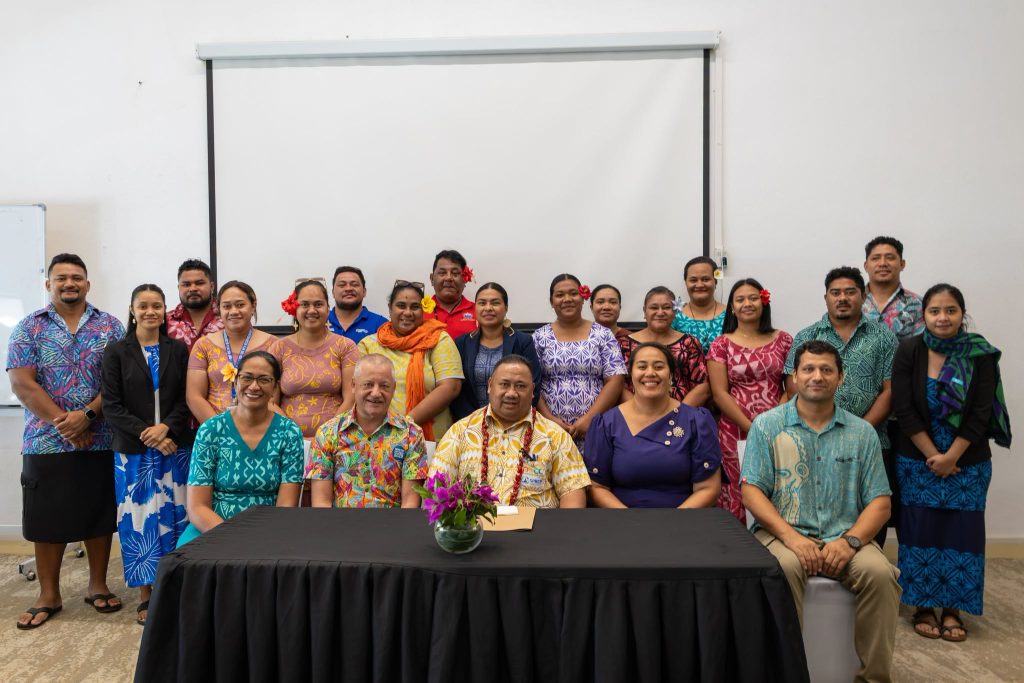
This week, the Ministry of Health Samoa has brought together government ministries, non-governmental organizations, and other key stakeholders to finalize and validate Samoa’s National Food Safety Emergency Response Plan.
The plan will formalize how different sectors work together during a food safety emergency, including roles and responsibilities, triggers for a national response, coordination and information-sharing, resourcing, food recalls, risk assessment, and communication. Preparing for food safety emergencies requires coordinated systems that can respond to hazards such as El Niño, cyclones, and pandemics.
Opening the two-day validation workshop, Fata Tulasunui Paulo Pemita Seuseu, Deputy Director General of Public Health at the Ministry of Health, said, “When a food safety emergency strikes, there is no time to debate and figure out who handles what. That is why our primary mandate today is formalization and validation. We are here to transform our strategic vision into concrete, standardized protocols that bind our ministries and organizations together.”
The National Food Safety Emergency Response Plan responds to priorities identified through Samoa’s Joint External Evaluation of its capacities to prevent, detect, and respond to public health emergencies, and supports implementation of the country’s National Action Plan for Health Security.
The validation workshop is being supported jointly by FAO Pacific and WHO Samoa, American Samoa, Cook Islands, Niue and Tokelau through Samoa’s #OneHealth Pandemic Preparedness and Response project, funded by the Pandemic Fund. Through the project, Samoa is strengthening collaboration across human, animal, and environmental health, including how sectors work together to prepare for and manage shared health risks